

Virginia has amended its unclaimed property framework to treat digital assets as a discrete asset class, creating a custodial-aware process for identifying, transferring, and—where necessary—holding dormant crypto. The statute refines presumption timelines, preservation priorities, and valuation mechanics to reduce the risk of immediate, state-driven liquidation of native digital assets.
Key Takeaways
- ▲ Bullish: Virginia’s in-kind custody rule preserves long-term holder value during dormancy periods
- ◆ Neutral: Five-year dormancy timeline aligns with traditional unclaimed property standards
- ▲ Bullish: One-year liquidation hold gives owners ample recovery window
- ▼ Bearish: Fragmented state-by-state approach creates compliance complexity for multi-state custodians
- ▲ Bullish: Trend signals growing institutional acceptance of digital assets as legitimate property class
 Virginia HB 798” />
Legislation overview
The Commonwealth enacted HB 798 to amend the Virginia Disposition of Unclaimed Property Act and explicitly include digital assets within its scope. The measure passed with overwhelming bipartisan support and will take effect on July 1, 2026. Under the new law, crypto and other digital assets in accounts with five years of inactivity are presumed abandoned and may be delivered to the state as unclaimed property.
Scope and aims
HB 798 reflects two principal policy aims. The first is consumer-protection: to preserve value for owners and heirs by avoiding forced, immediate liquidation when custody is transferred to the state. The second is clarity for custodians and courts—establishing technical and legal expectations for native-format handling and a predictable timeline for claims. Together, these aims reduce execution risk for custodians and protect claimants from receiving subpar recoveries caused by rushed sales.
Key provisions
The statute introduces several interlocking rules that change standard unclaimed-property practice for digital assets:
- Five-year dormancy presumption: An account lacking owner-initiated activity for five years is presumed abandoned and may be reportable under the state’s unclaimed property process.
- One-year nonliquidation hold: After a custodian delivers digital assets to the state, the state treasurer is prohibited from selling those assets for at least one year, allowing time for owners or heirs to locate and claim property.
- Native-format transfer requirement: When the holder retains full private-key access, custodians must transfer assets in their native form rather than converting to fiat proceeds prior to delivery.
- Partial-access rule: Where only partial access exists—such as custodial accounts where keys are escrowed or split—the law requires retention until a full native transfer can be effected.
- Claim valuation protection: Owners who successfully reclaim assets within the statutory framework receive the greater of the proceeds from any sale or the market value at the time of claim, aligning recovery with prevailing market prices.
These provisions collectively favor preservation of native assets and create procedural guardrails for both private custodians and public treasuries.
Market implications
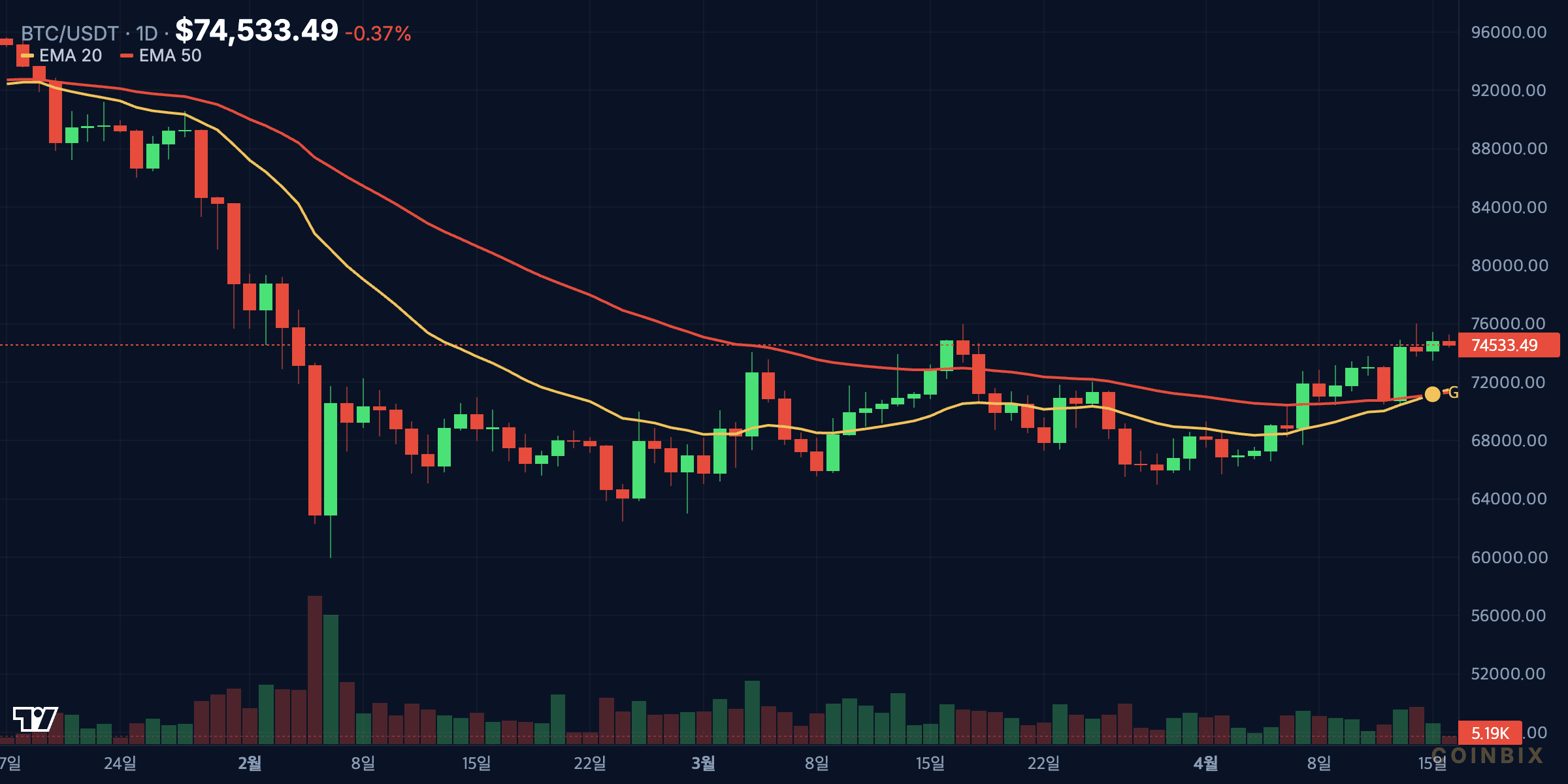
By restricting immediate state sales and prioritizing native transfers, HB 798 lowers a structural tail risk in crypto markets: the threat of sudden, policy-driven liquidations. That threat has precedent and tangible impacts.
Large, unplanned sell-offs by public authorities or counterparties have historically amplified downside moves. Virginia’s one-year hold reduces the chance that state‑administered inventories will hit the market at scale within days of custody transfer. Instead, a measured timeline gives market participants, claimants, and custodians time to pursue orderly dispositions or transfers.
Operationally, the law incentivizes better custody hygiene. Custodial firms that can demonstrate documented succession planning, multi-signature estate solutions, and robust recovery tooling will lower the probability that assets reach state custody. Expect investment in the following areas:
- Estate-recovery services and documented succession pathways (legal + technical packages tailored to the five-year dormancy window).
- Multi-signature and social-recovery product offerings marketed to high-net-worth clients and institutions.
- Integrated notification systems to reduce false positives for dormancy and improve owner outreach prior to state presumptions.
From a market-structure perspective, the claim-valuation protection reduces one channel of permanent value loss for owners. That reduces the need for custodians and insurers to reserve as heavily against forced-sale losses, though volatility still compels conservative provisioning during periods of price stress.
State-by-state trend analysis
Virginia’s law is part of a broader wave of state-level reforms. California’s SB 822, enacted in October 2025, introduced a roughly 18–20 month nonliquidation window with comparable native-transfer protections. The two statutes reveal different policy trade-offs: Virginia sets a longer dormancy presumption (five years) but a one-year nonliquidation hold once assets arrive at the treasury; California uses shorter dormancy/longer hold mechanics.
These divergent approaches matter for custodial domicile decisions. Firms deciding where to register, incorporate, or base trust operations will weigh the combined dormancy-and-hold profile, legal certainty around native transfers, and administrative burdens for compliance. States that offer both legal recognition of native assets and clear nonliquidation windows are likely to attract custody-related business, all else equal.
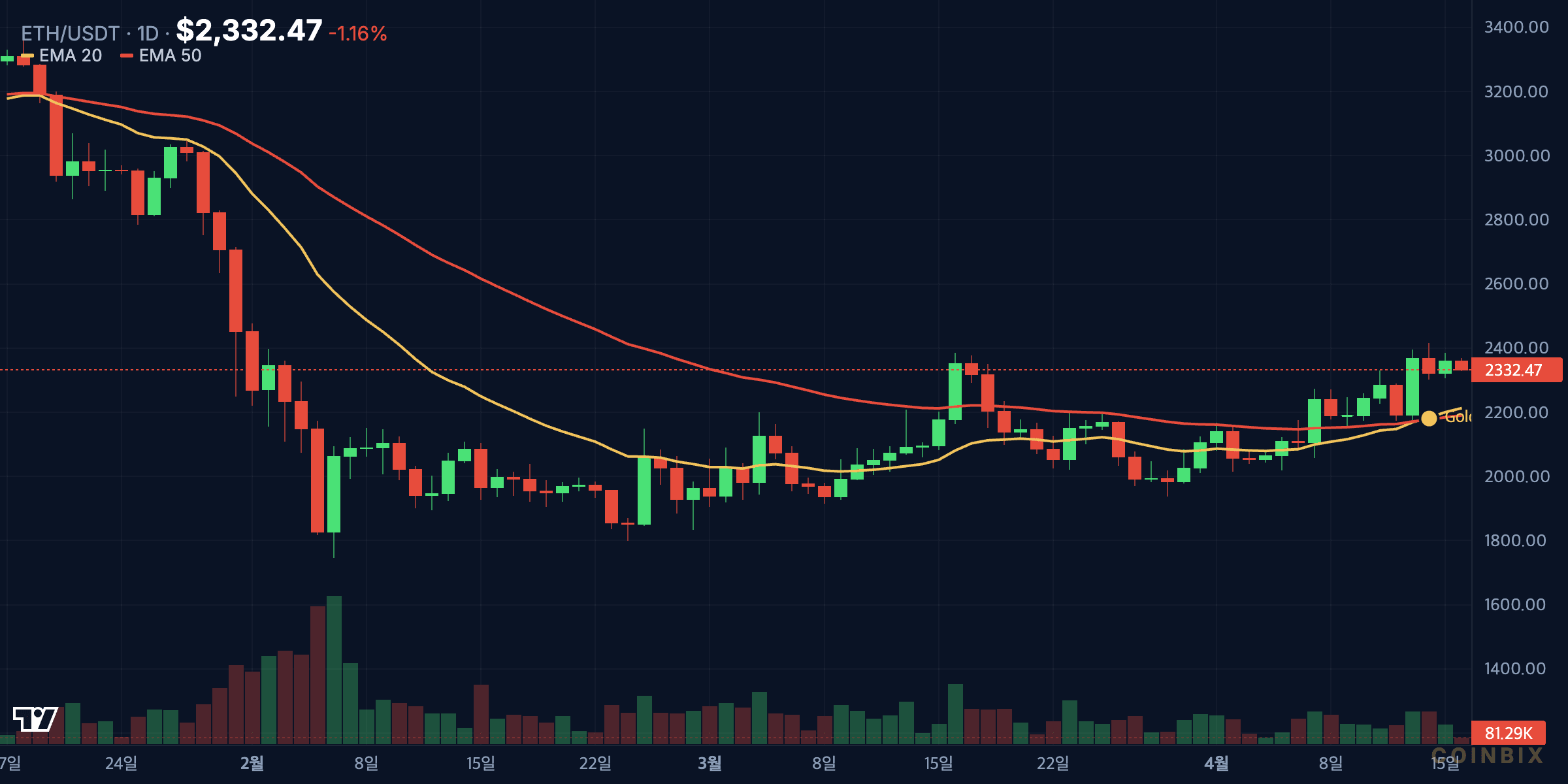
Internationally, jurisdictions can suffer reputational and market-effects from abrupt liquidations. A notable mid‑2024 European sale of seized Bitcoin is often cited as the cautionary template: immediate liquidation forced supply onto tight markets and contributed to short-term price pressure. HB 798’s staged approach is a direct policy response to that risk model.
Institutional impact
For exchanges, FDIC‑style custodians, trust companies, and asset managers, HB 798 changes the compliance and M&A playbook in measurable ways:
- Compliance programs: Expect formal policies to identify dormancy triggers, document outreach attempts, and coordinate with state treasuries. KYC refresh cycles and notification cadences will be scrutinized in audits and examinations.
- M&A and insolvency planning: Transaction diligence will emphasize whether target firms maintain recoverable key material and documented succession plans. Underwriters and buyers will model the cost of potential state-delivered assets and the timeline for recovery or sale.
- Insurance and reserves: Cyber and custody insurers will update underwriting models to reflect lower forced-sale risk but higher verification complexity. That could compress premiums for well-documented custody solutions and widen them for opaque providers.
- Product differentiation: Firms offering turnkey estate-recovery services, custodial succession playbooks, and pre-signed transfer mechanisms will be able to charge premiums for reducing the chance of state custody and the administrative friction that follows.
In aggregate, these shifts favor larger, institutionally mature custodians that can amortize the cost of succession tooling and compliance across a large client base. Smaller providers face either increased compliance costs or pressure to partner with larger custodians for estate-recovery services.
Practical considerations and risks
HB 798 mitigates immediate liquidation risk but introduces practical challenges that stakeholders must address:
- Verification and litigation risk: Recovering assets often requires coordinated legal and technical proof of ownership. Disputed estates can prolong custody and raise litigation costs for state treasuries and attackers seeking to exploit opaque processes.
- Deferred liquidation risk: A one-year hold delays but does not eliminate the potential for eventual sale. Market conditions at the time of any future disposition still determine realized recoveries for claimants and fiscal receipts for states.
- Operational burden on treasuries: Managing crypto custody differs materially from fiat. State treasuries may need partnerships or contracts with qualified custodians to fulfill custody, security, and transfer obligations without exposing the treasury to operational risk.
Actionable guidance for holders and fiduciaries
Practical steps to reduce the risk of state delivery and streamline recovery include:
- Creating documented succession plans that specify multi-signature arrangements or key escrow options, tested at regular intervals.
- Maintaining updated contact information and cooperating with custodians’ dormancy-notification processes to avoid a presumption of abandonment.
- Reviewing custody agreements to ensure they permit native-format transfers and clarify which state’s unclaimed-property law governs disputes.
Tax implications of forced crypto liquidation
One frequently overlooked consequence of unclaimed property statutes involves the tax treatment of forced liquidations. When a state treasury sells digital assets to convert them to cash, the transaction triggers a capital gains event for the original owner—even if the owner was unaware the sale occurred. This creates a potential double burden: the owner loses their crypto position and simultaneously owes taxes on any appreciation, often without having received the proceeds to pay the liability.
Virginia’s in-kind custody approach offers significant tax advantages compared to cash-conversion models. By preserving assets in their native form during the one-year hold period, HB 798 defers any taxable event until the owner actively reclaims and subsequently chooses to sell. This aligns with standard property tax principles where unrealized gains remain untaxed until realization. The native-transfer requirement effectively prevents “phantom income” scenarios where owners receive tax bills for sales they never authorized.
For institutional custodians operating across multiple states, these divergent tax implications add another layer of complexity to compliance planning. A custody account subject to California’s framework might generate different tax exposures than one governed by Virginia’s rules, even for the same underlying assets. Estate fiduciaries must now consider not just dormancy timelines and recovery procedures, but also the potential state-level tax consequences of where accounts are domiciled. The trend toward in-kind preservation seen in Virginia and similar jurisdictions ultimately protects both market stability and individual taxpayer interests.
Conclusion
HB 798 represents a pragmatic modernization of unclaimed-property law for digital assets. By combining a five-year dormancy presumption with a one‑year nonliquidation hold and a native-transfer mandate, Virginia reduces a vector of market risk associated with abrupt public-sector liquidations. The statute also raises the bar for custodians, who must now integrate estate-recovery and succession mechanisms into operational designs. For markets, the law narrows one class of policy-driven tail risks and shifts incentives toward orderly recovery and transferability—outcomes that favor institutionalized custody infrastructures and better-provisioned fiduciary services.
Effective July 1, 2026, HB 798 will be a new operational reality for custodians and claimants in Virginia, and a template other states are likely to evaluate as they adapt unclaimed-property regimes to the realities of native digital assets.
Affiliate Disclosure: This page contains affiliate links. Coinbix may earn a commission at no extra cost to you.
Disclaimer: This article is for informational purposes only and does not constitute financial advice. Cryptocurrency investments carry significant risk. Always conduct your own research before making investment decisions.