

- ▼ Asia faces a major oil supply disruption that is pressuring currencies, trade balances, and inflation.
- ■ The current stress is an energy supply shock, not a banking or debt crisis like 1997.
- ▲ Larger foreign-exchange reserves, flexible currencies, and deeper local markets give Asian economies stronger buffers.

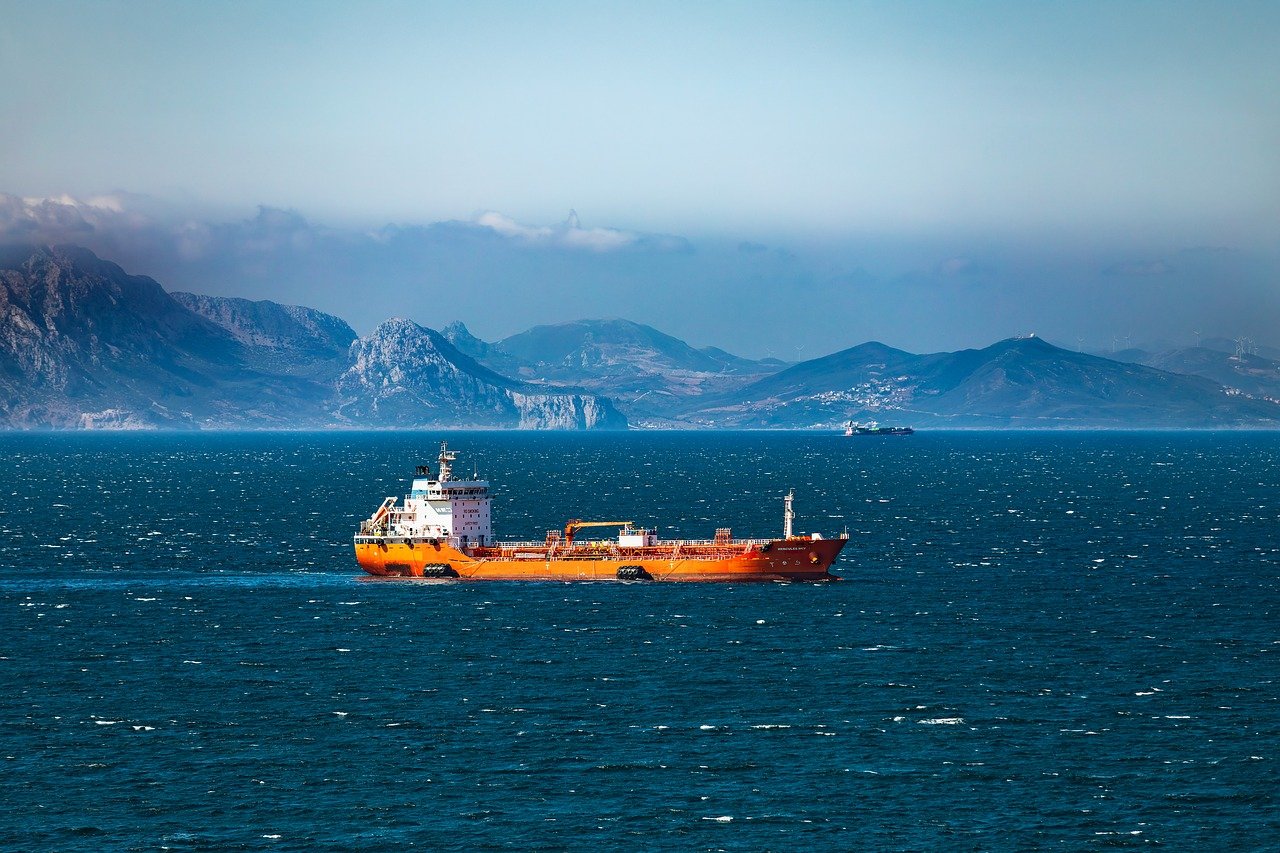
Asia’s latest oil shock is reviving comparisons with the 1997 Asian Financial Crisis, as higher energy prices squeeze import-dependent economies and put renewed pressure on regional currencies. But economists cited by CNBC say the region enters this episode with stronger defenses than it had three decades ago.
The disruption, linked to tensions around Iran and the Strait of Hormuz, has been described as Asia’s most severe oil supply shock since the 1970s Arab oil embargo. The impact is already visible: Thailand has moved to ration gasoline, while the Philippines has declared a national emergency as energy costs rise.
Oil Shock Raises Memories of 1997
The comparison with 1997 is rooted in a familiar set of pressures. Rising oil import bills can widen trade deficits, weaken currencies, and force governments to spend more on fuel subsidies or emergency support. At the same time, higher energy costs feed into transport, food, and industrial prices, lifting inflation across the economy.
In 1997, several Asian economies were hit by a toxic mix of fixed exchange rates, low foreign-exchange reserves, large current-account deficits, and heavy reliance on short-term foreign debt. Once confidence broke, capital outflows accelerated and currency pegs collapsed.
The key difference in 2026 is that the current episode is primarily a supply shock, not a financial-system crisis.
Why Is Asia Better Protected This Time?
Regional economies have changed substantially since the late 1990s. Most now operate with more flexible exchange-rate regimes, allowing currencies to absorb external pressure rather than defending fixed pegs until reserves are exhausted.
Foreign-exchange reserves are also deeper, giving central banks more room to manage disorderly moves. At the same time, Asia’s financial architecture has matured, with broader domestic investor bases and more developed local capital markets. These changes reduce the region’s dependence on short-term foreign borrowing, one of the central vulnerabilities in 1997.
 Bybit 20% Fee Discount
Free Coinbix Premium Channel
That does not remove the risk. A prolonged oil disruption could still weaken growth, strain public finances, and keep inflation elevated. Countries with high energy import dependence and limited fiscal space remain more exposed than those with stronger external balances.
Stagflation Is the Main Risk
The concern now is less about a repeat of the 1997 crisis and more about stagflation: slower growth combined with higher prices. If oil remains expensive, households face higher fuel and food costs while companies absorb higher logistics and input expenses.
Governments may respond with subsidies, tax cuts, or rationing measures, but those tools can pressure budgets if the shock lasts. For central banks, the policy trade-off becomes more difficult: raising rates may defend currencies and contain inflation, but it can also slow domestic demand.
Market Impact Remains Uneven
Financial markets are likely to keep watching oil prices, Asian currency moves, and reserve levels for signs of stress. Equity markets may also remain sensitive to inflation expectations and global risk appetite, particularly if energy prices stay volatile.
For now, the region appears better positioned than it was before the 1997 crisis. The legacy of that crisis helped build stronger reserves, more flexible exchange rates, and deeper financial markets. The immediate challenge is whether those buffers can contain the economic drag from a prolonged oil supply shock.
Bybit 20% Fee Discount
Free Coinbix Premium Channel
FAQ
Is Asia facing another 1997 financial crisis?
Not necessarily. The current pressure comes mainly from an oil supply shock, while 1997 was driven by financial vulnerabilities such as fixed exchange rates, low reserves, and short-term foreign debt.
Why do higher oil prices hurt Asian economies?
Many Asian economies import large amounts of energy. Higher oil prices can widen trade deficits, weaken currencies, increase inflation, and raise fiscal pressure.
What makes the region stronger today?
Asian economies generally have larger foreign-exchange reserves, more flexible currencies, deeper local markets, and less reliance on short-term foreign debt than in 1997.
Affiliate Disclosure: This page contains affiliate links. Coinbix may earn a commission at no extra cost to you.
Disclaimer: This article is for informational purposes only and does not constitute financial advice. Cryptocurrency investments carry significant risk. Always conduct your own research before making investment decisions.