
Key Takeaways
- ▼ WTI crude dropped below $100 per barrel after supply-disruption fears eased.
- ▲ An escort plan for ships through the Strait of Hormuz signaled a lower-risk approach to maritime security.
- ■ Energy-linked tickers including USO and WTI remain sensitive to new Middle East headlines.
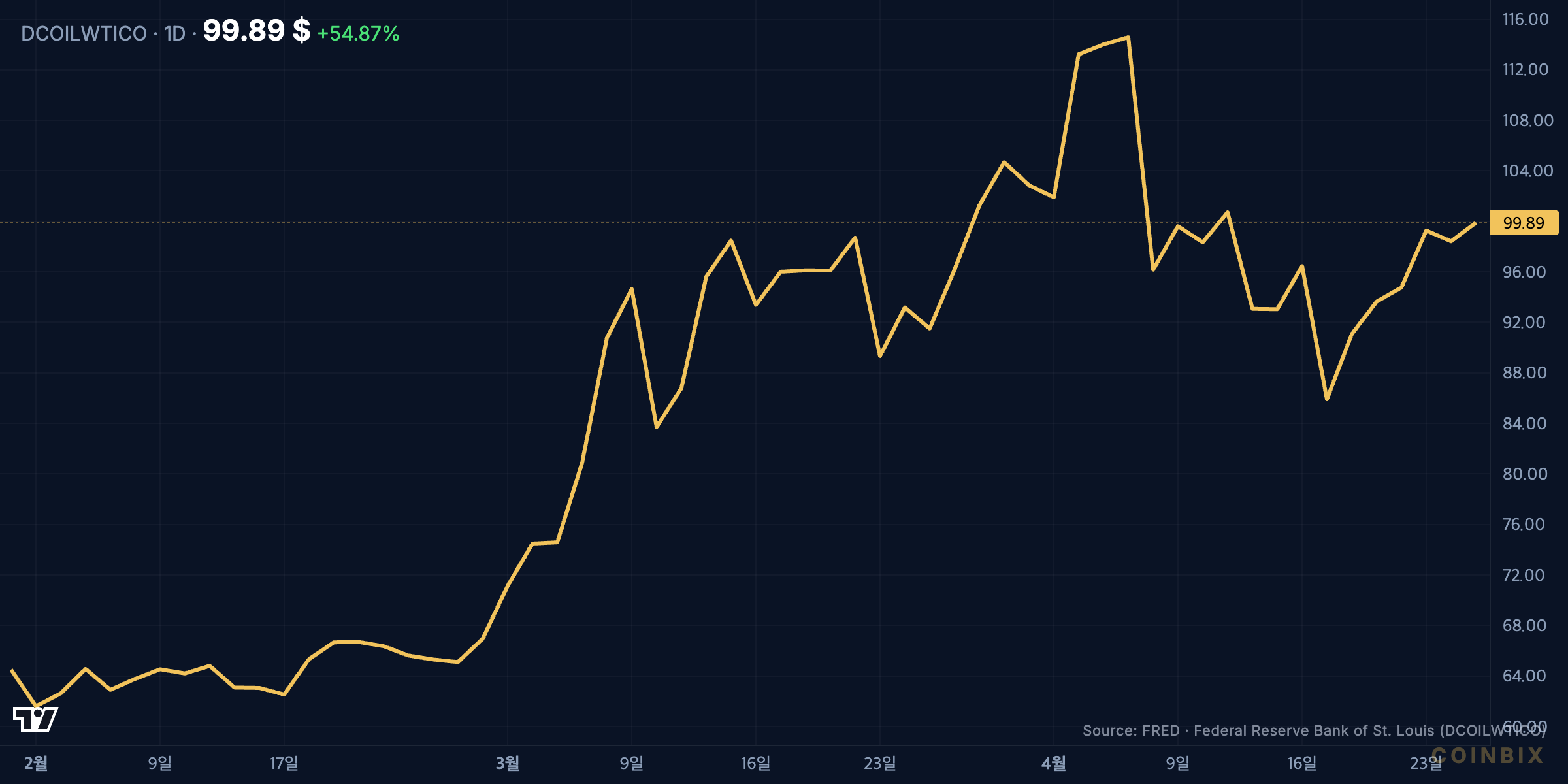
US crude oil prices fell below $100 per barrel after President Trump announced a plan to escort ships through the Strait of Hormuz, according to a report from The Kobeissi Letter.
The move mattered because the Strait of Hormuz is one of the world’s most important oil transit routes. A shipping escort plan suggested that officials were trying to keep energy flows moving without immediately escalating the conflict risk that had pushed oil prices higher.
What Changed in the Oil Market?
The price reaction was immediate: WTI crude slipped under the $100 threshold as traders reduced some of the geopolitical risk premium built into energy markets. The drop followed a period when Middle East tensions had raised concerns about shipping disruption, insurance costs, and possible supply delays.
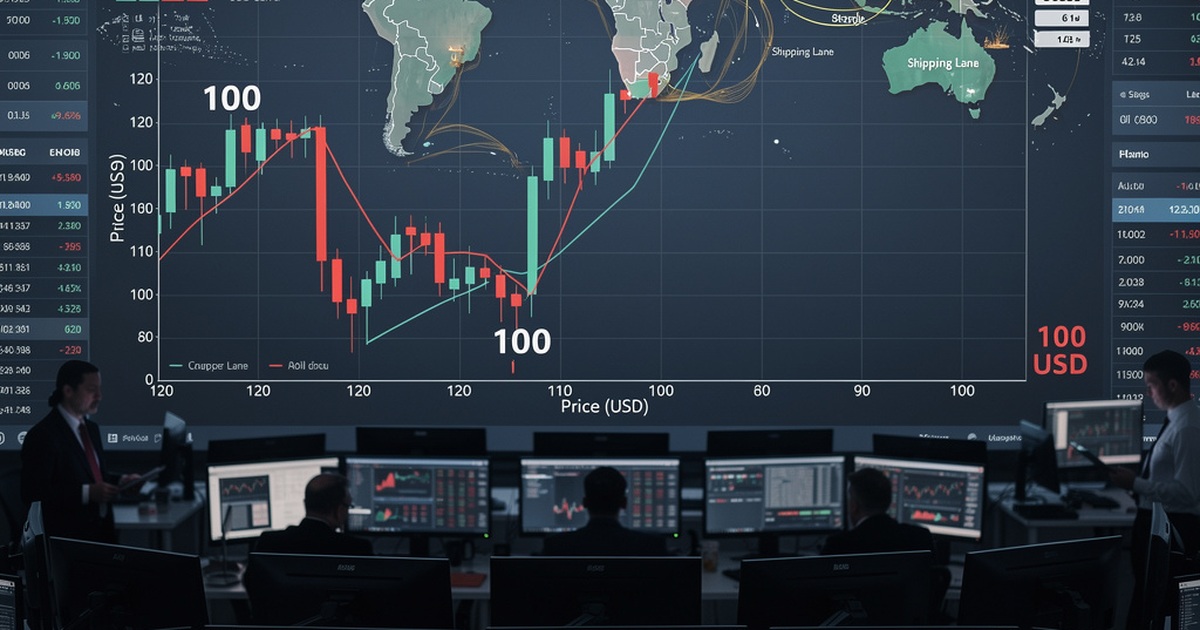
The announcement did not remove all regional risk. It changed the market’s near-term interpretation from a potential chokepoint shock toward a managed-security response, which can lower fear-driven buying in crude futures when supply is still moving.
 Bybit 20% Fee Discount
Free Coinbix Premium Channel
Why Does the Strait of Hormuz Matter?
The Strait of Hormuz connects the Persian Gulf with global shipping lanes and is closely watched by oil traders, refiners, and macro funds. Any credible threat to vessel traffic can lift crude prices because buyers must account for delayed cargoes or tighter available supply.
Energy ETFs and futures-linked products, including USO and WTI exposure, may stay volatile as investors assess whether escort operations reduce shipping risk or become another flashpoint. For now, the first market signal was lower crude, not a fresh spike.
Market Impact and Next Signals
The below-$100 move shows how quickly oil can reprice when geopolitical assumptions shift. A de-escalation reading pressures crude lower, while any sign of blocked ships, military confrontation, or export disruption could rebuild the premium.
Traders will now watch official details on escort timing, route coverage, and participation by allies or naval forces. Oil inventories, tanker tracking, and futures positioning will also help confirm whether the price drop is a short-term headline reaction or a broader unwind in energy risk.
Bybit 20% Fee Discount
Free Coinbix Premium Channel
FAQ
Why did WTI crude fall below $100?
WTI fell after the escort plan reduced immediate fears that Hormuz shipping could face a severe disruption.
What is the Strait of Hormuz?
It is a critical maritime route linking Persian Gulf oil exports with global markets, making it central to energy pricing.
Which tickers are most connected to this move?
USO and WTI-linked crude exposure are directly sensitive to headline-driven oil price swings.
Could oil prices rise again?
Yes. A new shipping disruption, military escalation, or supply interruption could quickly restore a risk premium.
Affiliate Disclosure: This page contains affiliate links. Coinbix may earn a commission at no extra cost to you.
Disclaimer: This article is for informational purposes only and does not constitute financial advice. Cryptocurrency investments carry significant risk. Always conduct your own research before making investment decisions.