
- ▲ Bitcoin climbed to around $77,400, its highest level since early February, as geopolitical risk in the Middle East eased.
- ▲ U.S. stocks and crypto-related equities also rallied, reinforcing a broader risk-on shift across global markets.
- ■ Iran’s statement on the Strait of Hormuz mattered because the route carries roughly 20% of global oil flows, making it a key inflation and liquidity signal.
Bitcoin and equities jumped together after Iran said the Strait of Hormuz was “completely open” for commercial traffic during the current ceasefire period, a headline that quickly reduced fears of another energy shock. For markets that had spent weeks pricing in supply disruption, the message was simple: one of the world’s most important shipping chokepoints was no longer the immediate threat it appeared to be.
Why did Bitcoin react so quickly?
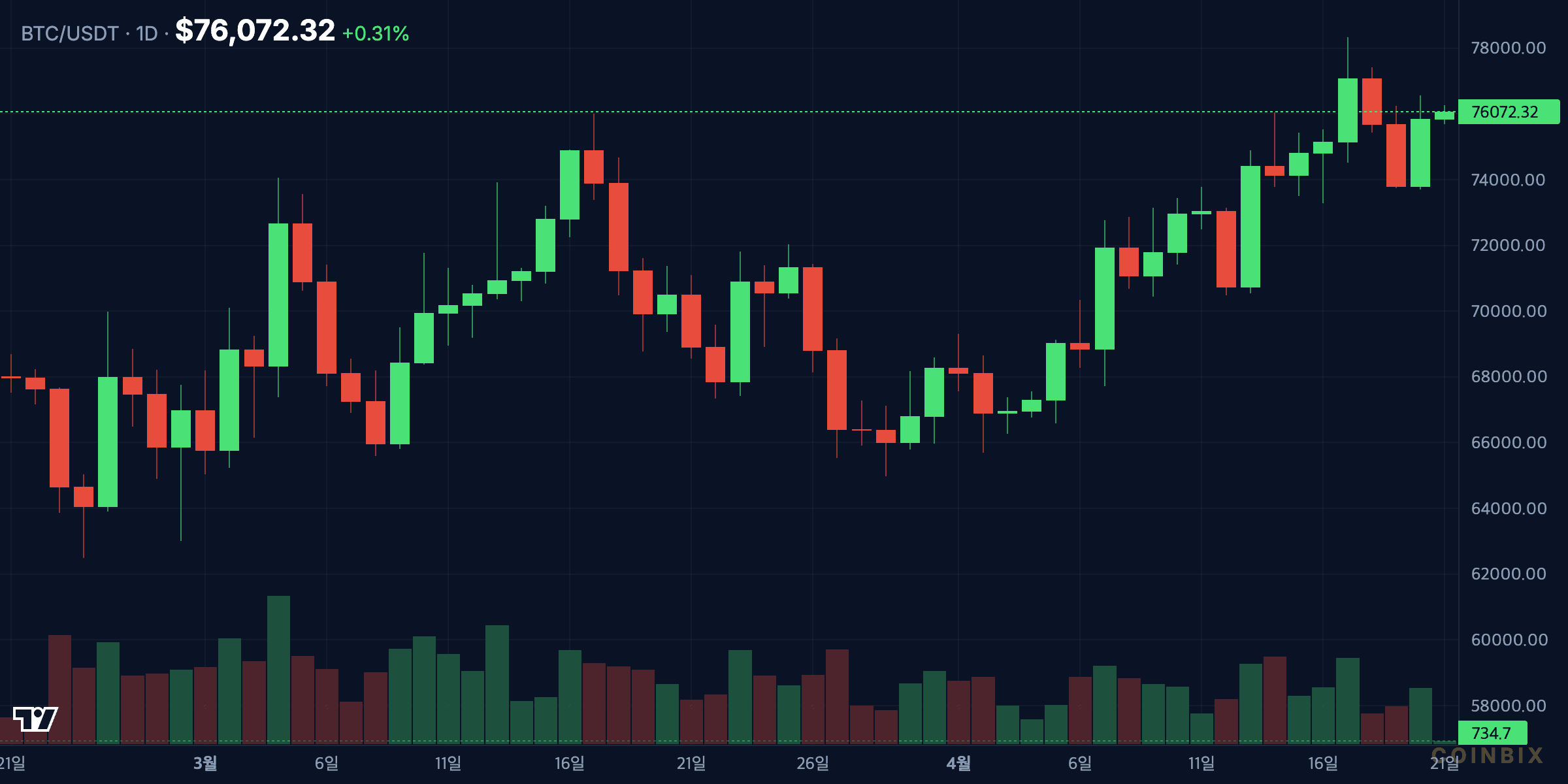
The move was not only about crypto. It was about the macro backdrop around crypto. In a public statement from Iran’s foreign minister, Tehran said commercial vessels could continue moving through the Strait of Hormuz under a coordinated route during the ceasefire window. That helped cool one of the market’s largest short-term fears: a prolonged disruption to oil supply passing through a corridor that handles about one-fifth of global crude shipments.
Once that risk eased, traders shifted back toward growth and risk assets. According to CoinGecko, Bitcoin rose about 5% over 24 hours to roughly $77,400. Ethereum, XRP, and Solana also gained strongly, while the Nasdaq and S&P 500 pushed to record highs. In other words, this was not an isolated Bitcoin pump. It looked more like a cross-market relief rally.
From oil fears to a risk-on reset
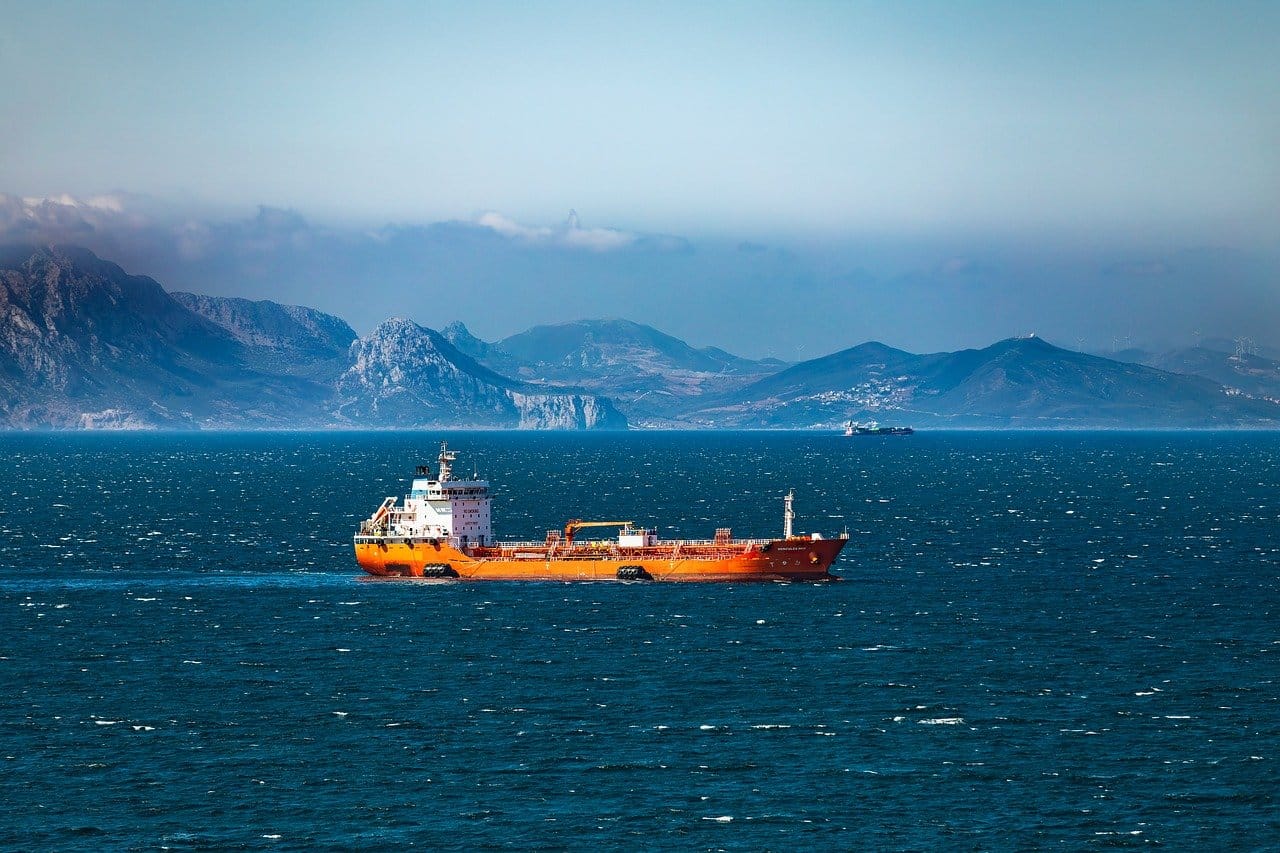
The clearest transmission channel was oil. As the Strait reopening narrative spread, WTI crude fell sharply from elevated war-risk levels. Lower oil prices matter for Bitcoin even when the connection looks indirect. If energy prices cool, inflation pressure can ease, bond market stress can soften, and traders become more willing to rotate into volatile assets. That does not guarantee a sustained crypto breakout, but it does improve the near-term environment.
This is why the rally in crypto-related stocks was so notable. Strategy, Coinbase, and Robinhood all advanced alongside Bitcoin, showing that investors were not merely covering shorts. They were rebuilding exposure to the broader digital asset trade. When crypto proxies and major indexes rise together, it usually signals stronger confidence in liquidity conditions rather than a one-off headline spike.
What makes the Strait of Hormuz so important for Bitcoin traders?
Bitcoin traders increasingly respond to the same geopolitical and macro variables that move equities, commodities, and rates. The Strait of Hormuz is one of those variables because it influences oil pricing, inflation expectations, and global risk appetite all at once. A threat to that route can push traders into defensive positioning. A sign that shipping can continue normally can reverse the trade just as fast.
That helps explain why Bitcoin’s rebound carried extra weight. The asset had already been recovering over recent weeks, but this headline gave bulls a clear macro catalyst. Instead of focusing on conflict escalation, markets suddenly had permission to price a de-escalation scenario.
 Bybit 20% Fee Discount
Free Coinbix Premium Channel
Can the rally hold from here?
The answer depends on whether the ceasefire narrative stays intact. If vessel traffic remains steady and oil continues to retreat, Bitcoin could keep benefiting from improving sentiment and renewed institutional risk appetite. But traders should be careful about treating one diplomatic update as a permanent resolution. The market is reacting to a reduced risk premium, not the disappearance of geopolitical risk altogether.
For now, though, the market message is clear. Bitcoin is trading more like a global macro asset than a standalone crypto story. When the threat of an energy shock faded, capital moved back into Bitcoin, altcoins, and equities at the same time. That synchronized response may be the most important signal of all.
Bybit 20% Fee Discount
Free Coinbix Premium Channel
FAQ
Why did Bitcoin rise after Iran’s announcement?
Traders viewed the statement as reducing the risk of oil supply disruption and inflation pressure, which improved sentiment toward higher-risk assets such as Bitcoin and tech stocks.
Why does the Strait of Hormuz matter to crypto markets?
The route is critical for global oil flows. Any disruption can raise crude prices, tighten financial conditions, and weaken appetite for speculative assets, including cryptocurrencies.
Was this only a Bitcoin rally?
No. Ethereum, XRP, Solana, crypto-linked equities, and major U.S. stock indexes also moved higher, suggesting a broader risk-on market reaction rather than a Bitcoin-only event.
Affiliate Disclosure: This page contains affiliate links. Coinbix may earn a commission at no extra cost to you.
Disclaimer: This article is for informational purposes only and does not constitute financial advice. Cryptocurrency investments carry significant risk. Always conduct your own research before making investment decisions.