

- ▼ Believe founder Benjamin Pasternak was arrested in New York on assault and strangulation charges tied to a March 31 incident, according to state court records.
- ▼ The arrest lands while Pasternak is already facing a class action lawsuit over alleged deceptive token sales, migrations, and broken buyback promises tied to Believe.
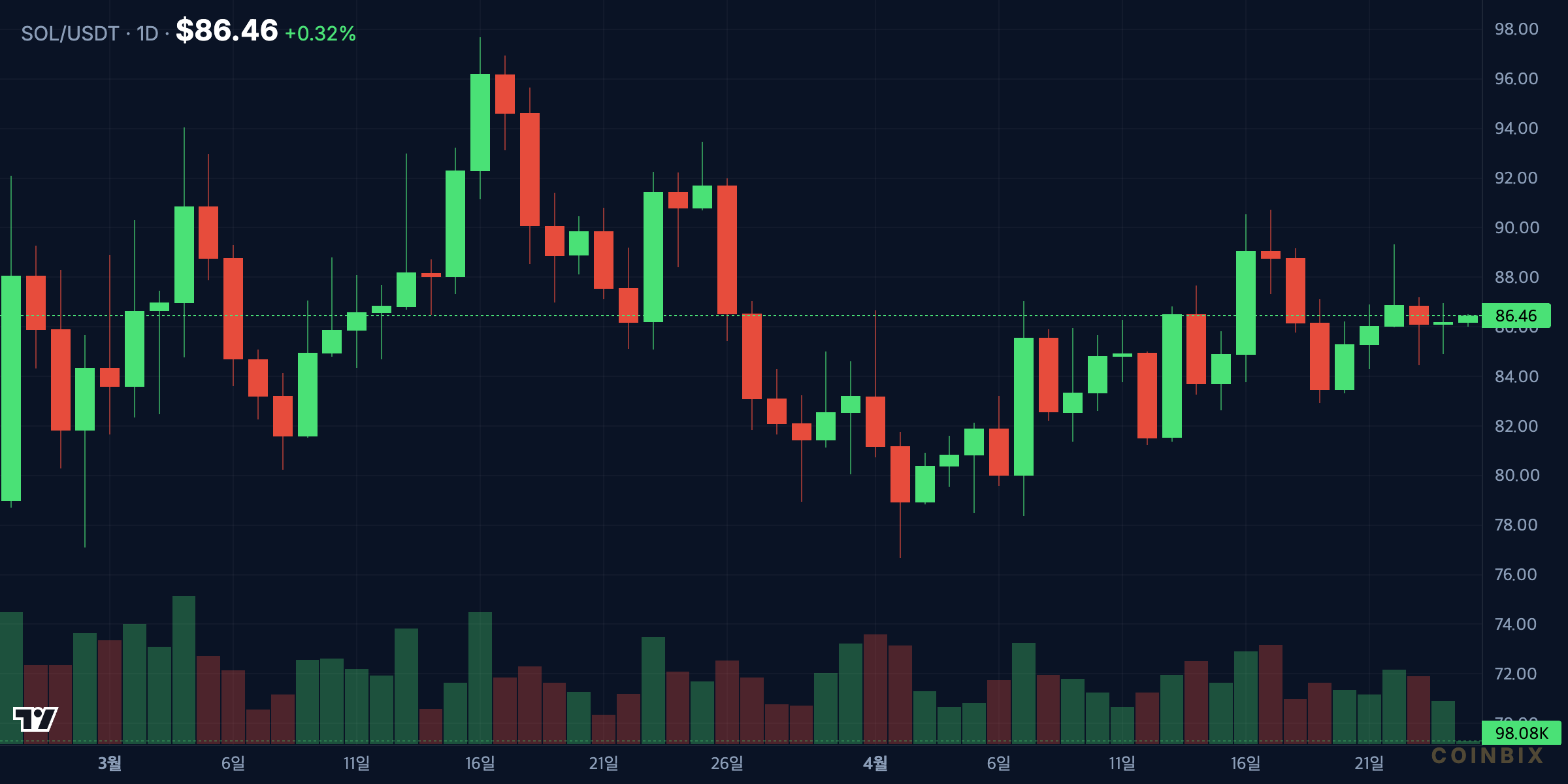
- ■ The case adds reputational pressure to Solana’s launchpad ecosystem, where founder behavior can quickly affect trust, liquidity, and community participation.
- ▼ CoinGecko data cited by Decrypt shows Believe’s native token is down 99.8% from its May 2025 peak and fell again after the news.
The arrest of Believe founder Benjamin Pasternak is more than a legal headline. For a crypto market already sensitive to founder risk, it is another reminder that a project’s public face can become a direct threat to platform credibility when legal and ethical concerns pile up at the same time.
What happened to the Believe founder?
According to Decrypt and linked New York court records, Pasternak was arrested Tuesday and charged with one count of second-degree strangulation and two counts of third-degree assault with intent to cause physical injury. Prosecutors say the charges relate to a March 31 incident. Pasternak has pleaded not guilty and is scheduled to return to court on June 11.
That criminal case arrives alongside a separate civil overhang. Decrypt reported that a class action complaint filed in the Southern District of New York accuses Pasternak of misleading token holders about ownership, creator fees, buybacks, and a token migration that allegedly diluted holders. The complaint claims Believe-related products processed about $6 billion in volume and generated roughly $54 million in fees.

Why does this matter for the Solana ecosystem?
Believe is not Solana itself, but launchpads help shape how outsiders judge a chain. When a founder tied to a prominent Solana-based platform is arrested while also facing investor litigation, the damage can spread beyond one token. Traders begin asking harder questions about vetting, treasury controls, disclosure standards, and how much key-person risk sits inside fast-moving on-chain projects.
That matters because launchpads are built on confidence. Users are often buying into narratives before products mature, and reputational shocks can dry up activity quickly. Even when the underlying blockchain remains technically healthy, negative headlines around launchpad operators can push capital toward more established protocols or off-chain venues.
Can founder conduct change the outlook for a token launchpad?
In practice, yes. Crypto projects often market decentralization, but communities still react strongly to the conduct of founders and early insiders. When legal accusations involve violence, the issue becomes bigger than tokenomics. It turns into a governance and stewardship question: who controls the platform, who speaks for it, and whether the business can keep operating without further erosion of trust.
That pressure appears visible in market performance. Decrypt cited CoinGecko data showing Believe’s token had already collapsed 99.8% from its all-time high of $0.35 in May 2025 to about $0.0007, including another daily decline after the arrest news. For many traders, that price path suggests the market had already been discounting severe execution and credibility problems.

What are regulators and the community likely watching next?
The immediate focus will stay on the court process and the civil case, but the broader crypto audience will also watch how Believe responds operationally. If a platform appears too dependent on one founder, every new legal development raises questions about continuity, custody, and accountability. That is especially relevant at a time when regulators and plaintiffs’ lawyers are paying closer attention to token launch structures, fee disclosures, and public promotional claims.
Community reaction is also important. Solana users have generally shown a willingness to support experimentation, but that tolerance weakens when founder conduct becomes a recurring headline. The network’s strongest projects may be unaffected directly, yet episodes like this increase demand for clearer governance and better separation between a platform and its founding personality.
 Bybit 20% Fee Discount
Free Coinbix Premium Channel
What comes next for Believe?
For now, Believe faces a credibility test on multiple fronts: legal, operational, and reputational. If the platform cannot demonstrate stable leadership and transparent communication, the arrest could deepen concerns that were already building around the token and its prior controversies. For the wider market, the takeaway is straightforward: in crypto, founder behavior is not a side issue. It can become a core risk factor that reshapes user trust as fast as price action does.
Bybit 20% Fee Discount
Free Coinbix Premium Channel
FAQ
Why is the Believe founder arrest significant for crypto markets?
It highlights how founder conduct can directly affect confidence in a token launchpad, especially when criminal charges arrive alongside investor lawsuits and a collapsing token price.
Is this a problem for Solana itself?
Not directly, but it can hurt sentiment around Solana-based launchpads and increase scrutiny of projects that rely heavily on a single founder’s reputation.
What source confirms the charges?
Decrypt cited New York State court records showing charges of second-degree strangulation and third-degree assault, and reported that Pasternak pleaded not guilty.
How has the Believe token reacted?
According to CoinGecko data referenced by Decrypt, the token is down 99.8% from its May 2025 high and fell further on the day the arrest was reported.
Affiliate Disclosure: This page contains affiliate links. Coinbix may earn a commission at no extra cost to you.
Disclaimer: This article is for informational purposes only and does not constitute financial advice. Cryptocurrency investments carry significant risk. Always conduct your own research before making investment decisions.