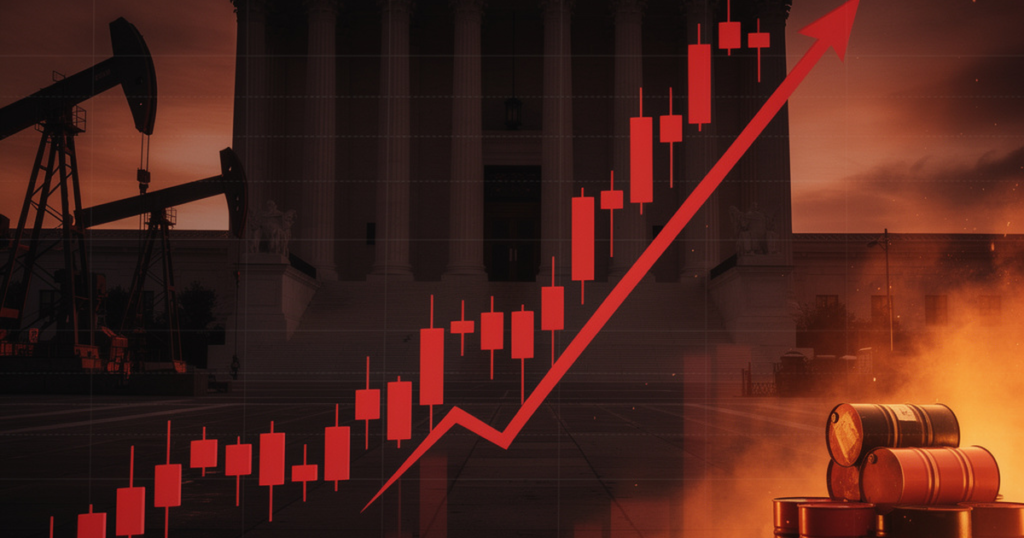

- ▼ Iran’s IRGC attacked at least three commercial ships in the Strait of Hormuz, and the strategic waterway has been formally closed again.
- ▼ WTI and Brent are expected to stay highly sensitive to security and navigation updates, as higher insurance costs and reduced Gulf export capacity feed directly into oil prices.
- ■ Freight rates could rise as shippers price in war-risk premiums, rerouting challenges, and tighter vessel availability across global supply chains.
- ▲ Gold, the US dollar, and safe-haven instruments such as DXY, USO, and XLE are likely to attract rotation flows as investors reduce risk exposure.
Related: How Chinese suppliers warn this could feed through to higher U.S. prices and past Iran tensions pushing Bitcoin below $67K while oil topped $100.
Iran’s Islamic Revolutionary Guard Corps (IRGC) attacked at least three commercial ships in the Strait of Hormuz on Friday, according to the brief provided, in a sharp escalation that has formally closed the strategic waterway again and immediately raised concerns across energy, shipping, and financial markets. Official maritime risk notices have reinforced those security concerns, including a U.S. Maritime Security Communications with Industry advisory covering Iranian attacks on commercial vessels in the Persian Gulf, Strait of Hormuz, and Gulf of Oman.
The reported attacks, described by the United States as at least three separate incidents involving commercial vessels, place renewed focus on one of the world’s most important maritime chokepoints. The Strait of Hormuz handles a major share of global oil and liquefied natural gas flows, making any disruption there a direct threat to energy supply chains and regional stability.
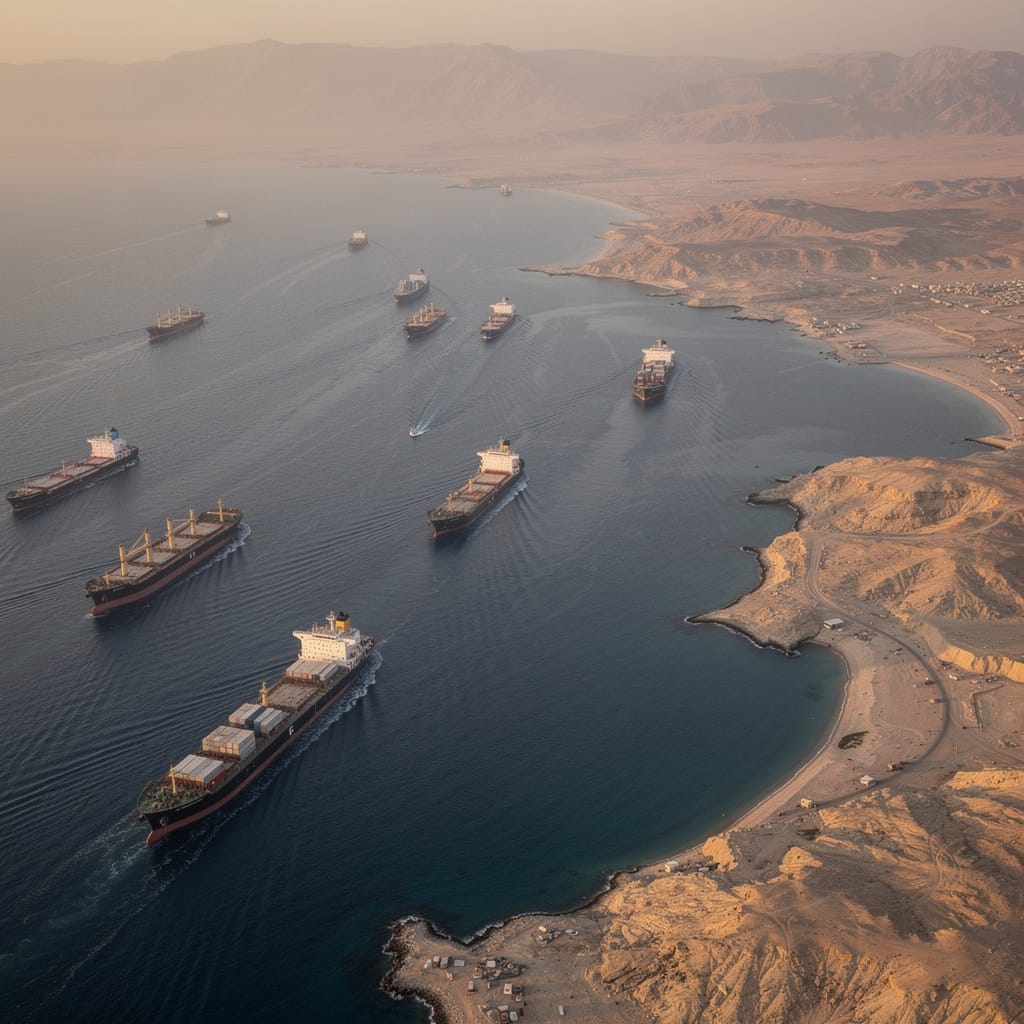
While details remain limited and the full operational impact is still developing, the market implications are already clear. A formal closure of the strait would likely intensify fears of delayed shipments, higher insurance costs, and reduced crude export capacity from the Gulf. That combination typically feeds directly into higher oil prices, with both WTI and Brent expected to remain highly sensitive to every update tied to vessel security and navigation status.
Shipping markets are also in focus. Any sustained disruption in Hormuz could push freight rates higher as operators price in war-risk premiums, rerouting challenges, and tighter vessel availability. Even a short-lived closure can create ripple effects well beyond the Middle East, especially for refiners, commodity importers, and industrial supply chains dependent on predictable Gulf exports. The commercial-shipping threat picture has also been highlighted in a UKMTO and JMIC advisory note, which underscores how quickly vessel operators may need to react when regional security conditions deteriorate.
Beyond oil and freight, the event strengthens the case for a broader cross-asset risk response. In moments of sudden geopolitical stress, investors often rotate toward traditional safe havens such as gold and the US dollar, while reducing exposure to cyclical sectors and risk-sensitive assets. That could leave the DXY dollar index, gold, and energy-linked instruments such as USO and XLE in sharper focus in the immediate aftermath of the news.
The bigger concern for markets is not only the headline itself, but what it signals about regional escalation. An attack on multiple commercial ships, followed by the formal closure of Hormuz, points to a materially higher level of confrontation around a corridor that global energy markets cannot easily replace. If tensions deepen further, traders will likely begin pricing a wider geopolitical premium into oil, shipping, and broader macro positioning.
For now, markets are likely to remain driven by confirmation of the attacks, the duration of the closure, and any indication of military or diplomatic response from regional powers and the United States. Until more clarity emerges, the Strait of Hormuz is back at the center of global risk pricing.
Affiliate Disclosure: This page contains affiliate links. Coinbix may earn a commission at no extra cost to you.
Disclaimer: This article is for informational purposes only and does not constitute financial advice. Cryptocurrency investments carry significant risk. Always conduct your own research before making investment decisions.