

- ▲ Citi says a portfolio that combines Bitcoin with gold can be more efficient than a traditional stock-and-bond mix.
- ■ The bank’s thesis is that gold adds stability while Bitcoin adds growth exposure, especially when bond markets come under pressure.
- ▲ For crypto investors, the report strengthens the case for viewing Bitcoin as a portfolio tool, not only as a standalone speculative asset.
Citi’s latest portfolio research adds a fresh institutional angle to an old debate in digital assets: should Bitcoin compete with gold, or sit beside it? According to a report cited by CNBC and summarized by Bitcoin Magazine, Citi argues that mixing the two assets may improve portfolio efficiency rather than forcing investors to choose one over the other.
Why does Citi see Bitcoin and gold as complementary?
The core idea is straightforward. Gold has long been used as a defensive asset during periods of macro stress, inflation anxiety, and declining confidence in fiat assets. Bitcoin, by contrast, remains more volatile, but Citi’s view is that it can add a different return profile when markets are shifting.
In the research cited by CNBC, Citi said a 5% allocation to gold already improves portfolio efficiency. Splitting that allocation between gold and Bitcoin, however, reportedly produced stronger results. The logic is not that Bitcoin replaces gold, but that the two can respond differently to the same market backdrop.
That matters because bond markets are no longer offering the same simple diversification story many investors relied on for years. Citi’s report points to stronger portfolio performance in bond bull markets and greater resilience during bear-steepening environments linked to fiscal concerns and rising inflation risk.
What makes this thesis relevant now?
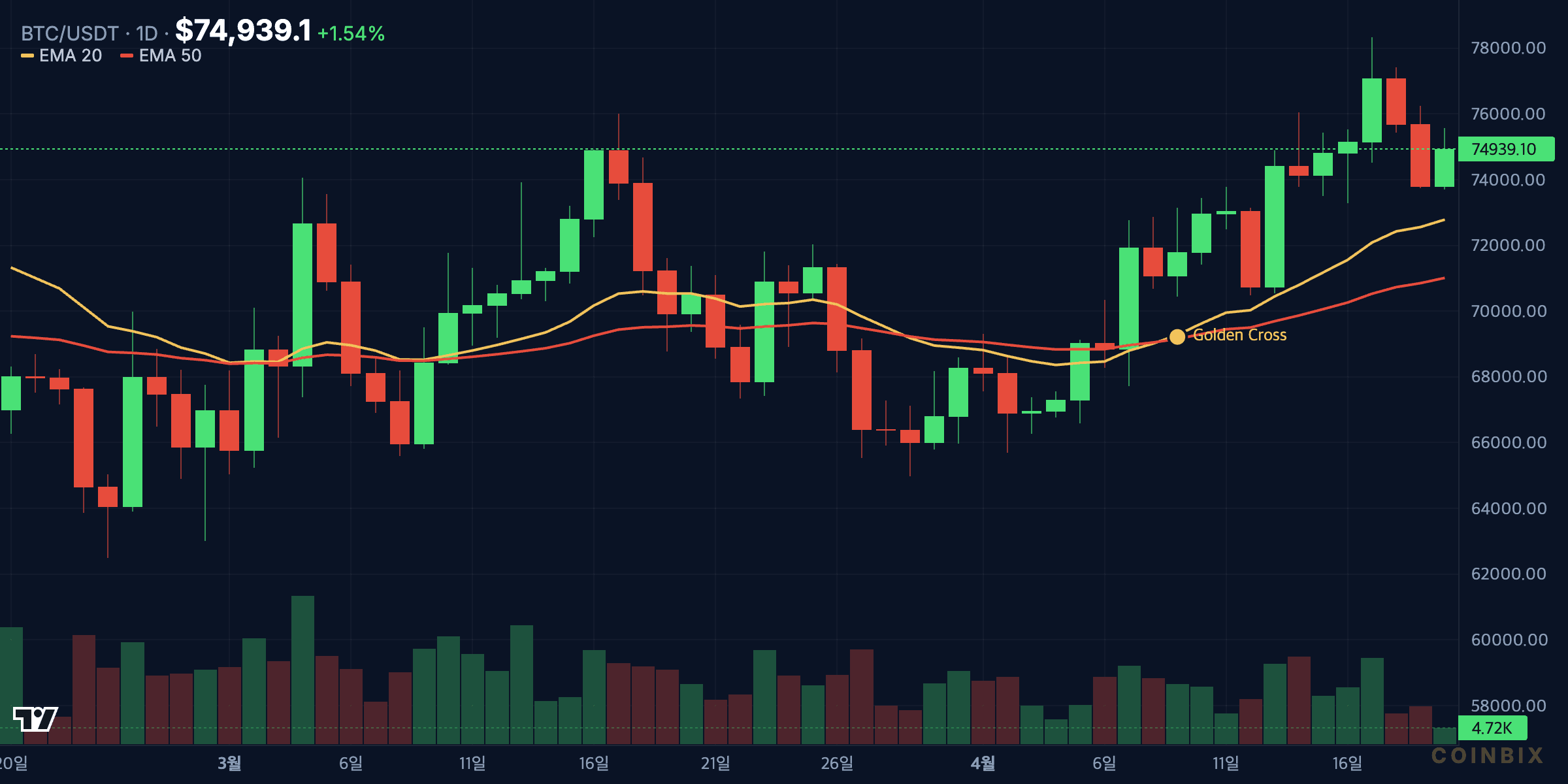
The timing is important. Citi noted that Bitcoin has recently outperformed gold when bond markets weakened. In the source summary, Bitcoin rose 9% over the past two months while spot gold fell 4%. Those numbers do not prove a permanent pattern, but they do show why large institutions are increasingly testing Bitcoin as part of an asset-allocation framework instead of treating it only as a high-beta trade.
For a global audience, this is the more meaningful takeaway. Bitcoin is gradually being assessed through the same lens used for commodities, currencies, and hedging assets. That does not mean volatility disappears. It means the discussion is moving from “Is Bitcoin investable?” to “Where does Bitcoin fit inside a portfolio?”

How should crypto investors read Citi’s message?
Crypto-native investors may see the report as validation, but the more useful lesson is about portfolio construction. Citi’s thesis suggests Bitcoin may work better when paired with a traditional store-of-value asset than when it is judged in isolation. Gold can help anchor the defensive side of a portfolio, while Bitcoin offers upside linked to adoption, liquidity, and changing macro narratives.
That combination may be especially attractive in an environment where inflation remains sticky, sovereign debt concerns keep surfacing, and investors are looking for alternatives beyond the standard 60/40 model. Citi’s framing also fits a broader institutional trend: diversification is no longer only about reducing volatility, but about adding assets that behave differently under stress.
 Bybit 20% Fee Discount
Free Coinbix Premium Channel
Where are the limits of the argument?
Investors should still keep the claims in context. Citi’s report, as cited by the available coverage, supports the diversification case, but it does not eliminate Bitcoin’s short-term swings or guarantee that the relationship with gold will stay favorable across every cycle. Correlations can change quickly, especially when liquidity conditions tighten or risk sentiment reverses.
That is why the report is best read as a framework, not a promise. Bitcoin and gold may complement each other, but the mix only works if investors understand the role each asset is supposed to play.
Why this could matter for the next phase of Bitcoin adoption
If major banks continue to frame Bitcoin as a portfolio efficiency asset, that could widen its appeal far beyond traders chasing momentum. Institutional allocators, family offices, and globally diversified investors often move slowly, but they tend to respond when an asset can be explained in familiar risk-and-return terms. Citi’s message does exactly that.
For Bitcoin, that may be the bigger story. The asset is still volatile, but its investment narrative is becoming more mature. Instead of being boxed into a single label, Bitcoin is increasingly being discussed as part of a broader toolkit for diversification, inflation hedging, and strategic allocation alongside gold.
Bybit 20% Fee Discount
Free Coinbix Premium Channel
FAQ
Did Citi say Bitcoin is better than gold?
No. The reported argument is that combining Bitcoin with gold may improve portfolio efficiency more than holding gold alone in a standard allocation framework.
Why would gold and Bitcoin work together?
Gold is generally viewed as a defensive store-of-value asset, while Bitcoin offers a different and more growth-oriented return profile. Their differences are what may create diversification benefits.
Does this mean Bitcoin is now a safe-haven asset?
Not conclusively. Citi’s thesis supports Bitcoin’s role in portfolio construction, but it does not mean Bitcoin behaves like a classic safe haven in every market condition.
What is the main takeaway for investors?
The key point is that Bitcoin may be increasingly useful as part of a broader allocation strategy, especially when paired with assets like gold rather than evaluated on its own.
Affiliate Disclosure: This page contains affiliate links. Coinbix may earn a commission at no extra cost to you.
Disclaimer: This article is for informational purposes only and does not constitute financial advice. Cryptocurrency investments carry significant risk. Always conduct your own research before making investment decisions.